
Technology
Landline switchover could cut people off in emergency, minister warned
By Katherine Langford
Advertisement · Why this ad?
Marcus manages the day-to-day editorial workflow across all brands, coordinating coverage assignments and ensuring editorial standards are met. He previously served as city editor at the Pioneer Press and holds a degree in Political Science from Carleton College.
More from Marcus →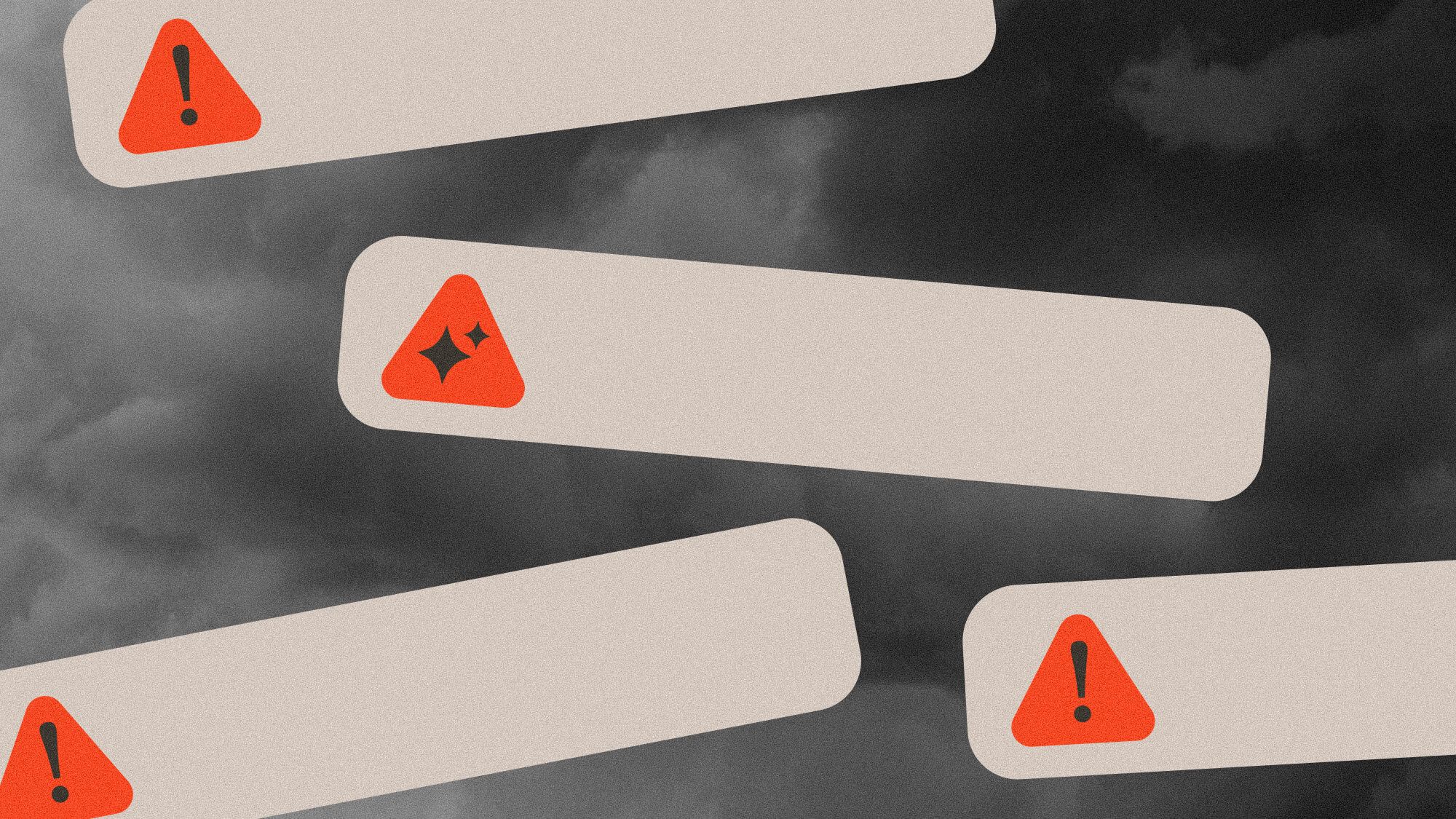
As natural disasters and crises become more frequent, the need for effective emergency communication grows urgent. Here in New York City, a new wave of AI-driven alerts aims to enhance public safety, offering the promise of faster, more targeted warnings crucial for our dense, diverse metropolis. Yet, this technological leap forward is met with a healthy dose of skepticism, raising concerns about human readiness to take these automated messages seriously.
The core challenge is not new: human beings often struggle with emergency communication. Whether it’s information overload, conflicting reports, or simply a natural inclination to doubt the severity of a situation, our reception of critical alerts can be compromised. This inherent human factor has long challenged current emergency communication methods, prompting a proactive exploration of innovative solutions, with artificial intelligence and chatbots now at the forefront.
The vision for AI in emergency response is compelling. Chatbots, powered by sophisticated algorithms, can process vast amounts of data in real-time, synthesize complex information, and disseminate tailored alerts to specific populations. Imagine a system that can analyze weather patterns, traffic conditions, and population density to issue hyper-localized evacuation orders or shelter-in-place instructions, all within moments of a developing threat. This level of precision and speed could be a game-changer for agencies like NYC Emergency Management.
For a city that has weathered everything from blizzards to blackouts, and tragically, the events of 9/11, the potential for improved communication is not just a technological upgrade; it's a moral imperative. The public's ability to effectively receive and act on emergency information could improve dramatically with AI, provided they overcome skepticism towards automated alerts. The goal is to move beyond generic, city-wide broadcasts to messages that resonate directly with individuals and families, guiding them to safety.
The effectiveness of chatbot assistance, however, depends entirely on people taking them seriously. This is where the tension arises: the hope for technological advancement clashes with a natural human fear of over-reliance on machines, especially when lives are on the line. Residents of New York City, accustomed to a robust system that includes Notify NYC and traditional broadcast alerts, express understandable doubts about AI's ability to deliver consistently timely and accurate information without human fallibility.
The success of these new AI-powered systems hinges critically on public trust and acceptance. Without it, even the most advanced algorithms will fail to protect our communities. Building this trust requires transparency, rigorous testing, and a clear understanding of AI's capabilities and limitations. It's not enough for the technology to be smart; it must also be perceived as reliable and empathetic, especially in moments of extreme stress.
Emergency responders themselves highlight the importance of human oversight in AI communication. While AI can process data and generate messages, the nuanced judgment, empathy, and local knowledge of human experts remain irreplaceable. A truly effective system will likely be a hybrid, where AI provides the speed and scale, and human operators provide the critical review, context, and reassurance that only another person can offer. Organizations like the Federal Emergency Management Agency (FEMA) and the American Red Cross consistently emphasize the human element in preparedness.
For New Yorkers, the effectiveness of AI emergency alerts could mean the difference between life and death during critical situations. The community's trust in these systems is not merely a preference; it is essential for their success. When a storm surge threatens, or a public health crisis emerges, clear, unambiguous, and trusted communication is the bedrock upon which families make life-saving decisions. Protecting our children and ensuring the safety of our loved ones is a primary concern for every household, making reliable emergency alerts paramount.
The challenge is to bridge the gap between technological potential and human perception. How do we ensure that when an AI-generated alert flashes across a smartphone screen, it is met not with a dismissive swipe, but with immediate, decisive action? This involves more than just good technology; it requires a concerted effort in public education and outreach, demonstrating the system's reliability and its commitment to public safety. Initiatives from the Ready.gov campaign offer a blueprint for such engagement.
As we look to the future, the integration of AI into our emergency communication infrastructure is inevitable. The question is not if, but how we will make it work effectively for everyone. This means fostering a culture of preparedness that embraces innovation while retaining a healthy respect for human judgment and community values. Universities like New York University are often at the forefront of research into urban resilience and technology's role.
The path forward involves collaboration between technology developers, emergency management professionals, and community leaders. It requires continuous feedback loops, allowing the systems to learn and adapt based on real-world responses and human behavior. Standards for AI trustworthiness, as explored by organizations like the National Institute of Standards and Technology (NIST), will be crucial in this development.
Ultimately, the goal is to create a more resilient city, where every family feels secure in the knowledge that they will receive timely, accurate, and actionable information when it matters most. This vision aligns with our deepest values: protecting the sanctity of family, supporting strong communities, and ensuring that our shared future is built on a foundation of safety and preparedness. The National Weather Service and the Centers for Disease Control and Prevention (CDC) provide vital information that AI systems can augment.
As New York City prepares for the next storm, the next public health challenge, or any unforeseen crisis, the question looms large: will residents embrace AI as a vital lifeline, a tool that genuinely enhances their safety and peace of mind, or will it be dismissed as just another piece of technology struggling to earn our trust? The answer will depend not just on the algorithms, but on our collective commitment to clarity, community, and the enduring strength of the human spirit. Resources like USA.gov Emergency Management and the Environmental Protection Agency (EPA) Emergency Response also provide critical guidance that AI can help disseminate.
By Katherine Langford

By Katherine Langford

By Katherine Langford

By Katherine Langford